


NEWS
3 June 2024
Purification systems for car washes: reference standards and characteristics
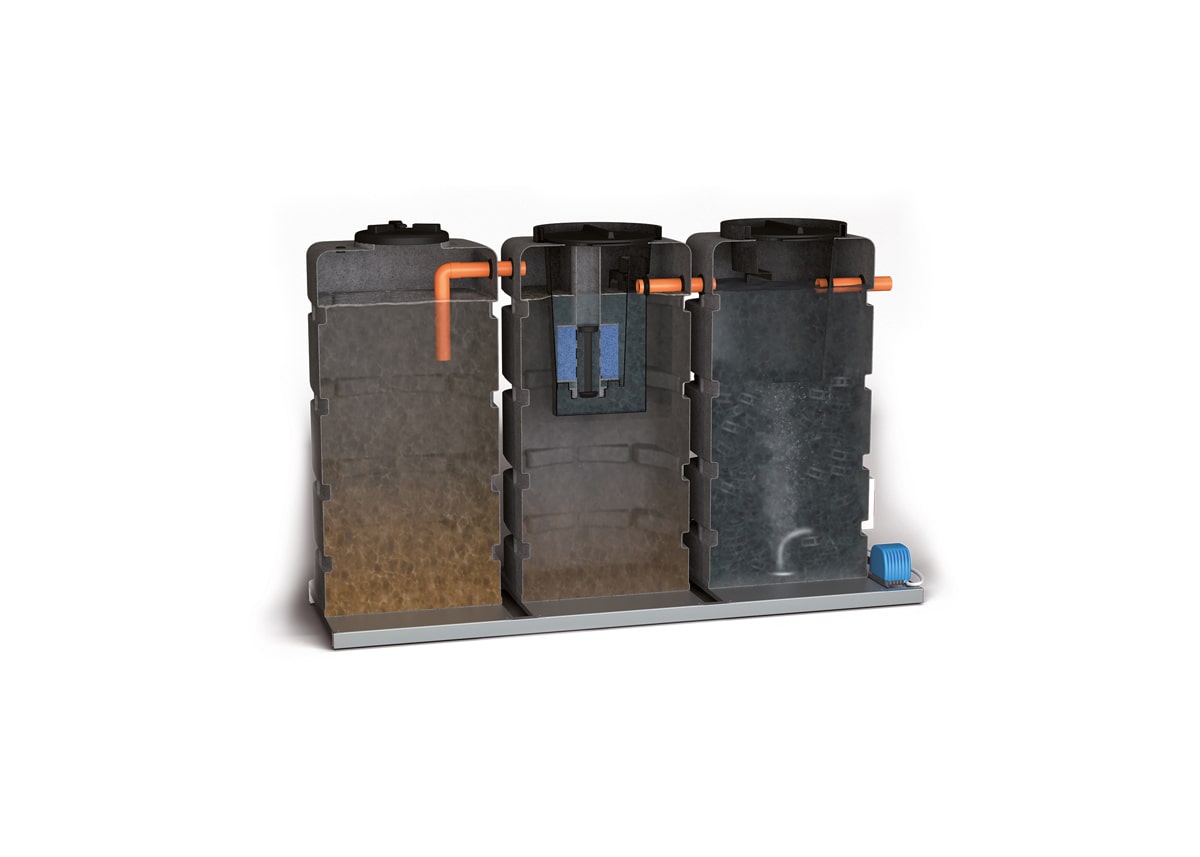
In the era of sustainability, attention to the environment and water management has extended beyond the domestic profile, into commercial environments and activities such as car washes and runoff yards. Given the potential contamination of wastewater in these contexts, treatment in car wash purification plants requires particular attention to a series of pollutants, including solid residues, detergents, mineral oils, through processes strictly outlined by the relevant regulations.
Reference regulations for purification systems for car washes
Car wash wastewater treatment plant must comply with a series of regulations, which determine the wastewater treatment methods, and the technical and operating specifications.
- The Legislative Decree. 152/2006, which replaced the so-called “Water Code” of 1999, sets the guidelines for the management of wastewater and treatment methods, with an emphasis on purification systems and methods of controlling wastewater coming from activities such as car washes to then be able to discharge them into the environment.
- The UNI EN 858-1 discipline identifies the technical specifications, operation and rules for installation, as well as tests and performance of light oil and grease separators (or oil removers) and sludge and sand separators.
- The UNI EN 858-2 regulation instead defines dimensions, installation and maintenance of oil separators, with the aim of guiding the choice of the most suitable device in terms of capacity and waste water management based on the quantity and nature of the oils potentially present in the wastewater.
Composition of a purification system for car washes
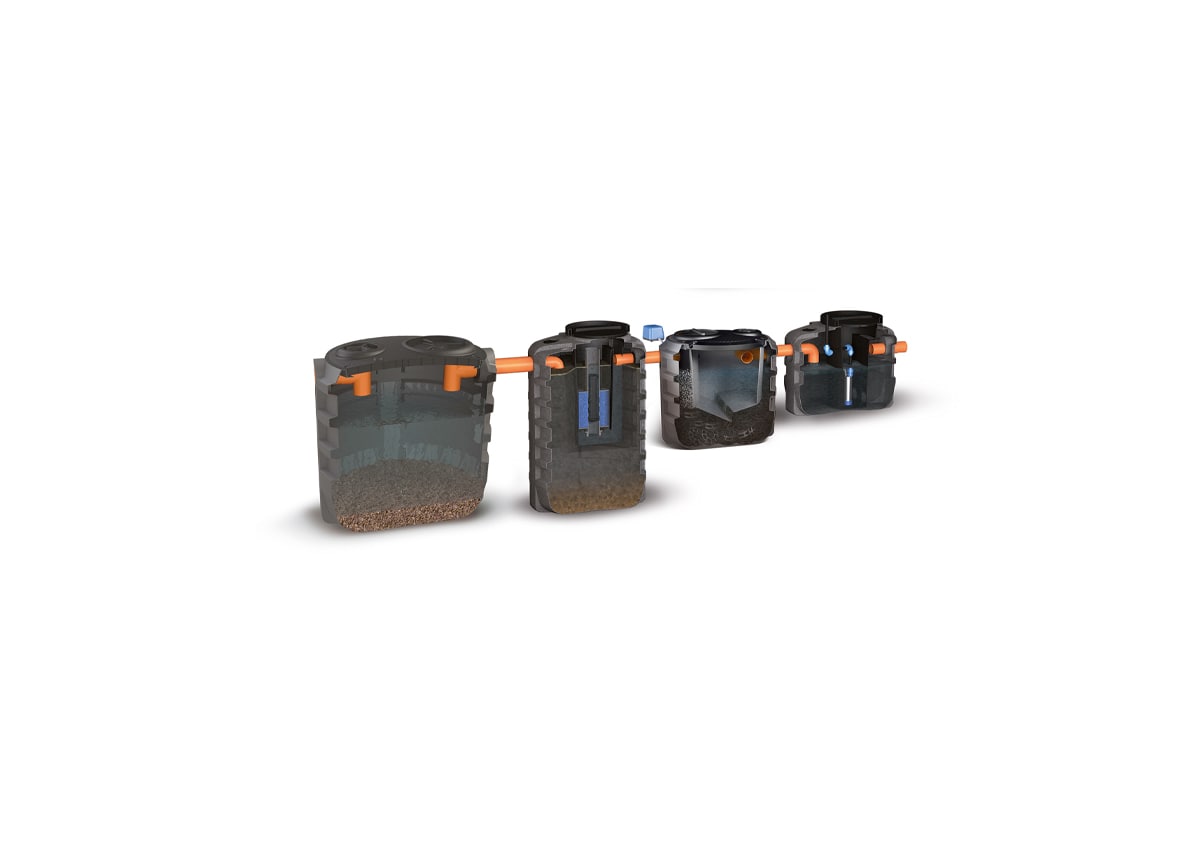
The water coming from car washes or vehicle washing yards can be contaminated by different types of pollutants, which require several phases for their elimination also based on the type of final collection (in public sewers, on surface watercourses, on soil or for recirculation within the system itself). The first phase of the treatment involves a sand trap, which separates the solid materials from the fluids. In fact, heavier materials settle to the bottom, while lighter materials, such as liquids, accumulate on the surface.
Here, a gravitational oil remover aggregates the molecules of foams, detergents and greases by exploiting the force of gravity. The oil separator can be smooth, corrugated or with a coalescence filter for a higher level of purification of oils and hydrocarbons, thanks to the filter’s ability to aggregate oil molecules into large drops, which are easier to remove.
In a third phase, the wastewater undergoes intensive biological treatment by an anaerobic percolating filter, a particular biological reactor which, thanks to a series of bacteria, degrades the organic material and reduces the concentration of organic substances and detergents present in the wastewater. The last refinement phase involves a possible quartzite or activated carbon filtration treatment for closed circuit systems (i.e. if there is water recirculation for further washing cycles) or with final delivery in the ground.
Purification systems for car washes therefore play a fundamental role in ensuring environmental protection, preventing water pollution and contributing to sustainability through the reuse of purified water. For your purification systems for complete car washes, or for their spare parts and components, turn to Di Camillo’s experience: our technical staff will always be at your disposal to identify the most suitable purification and wastewater treatment plant for your industrial needs.
Recent posts
- Installing a flat-bottom “panettone” polyethylene tank: technical guidelines for foundations and fittings
- Imhoff tanks in concrete and polyethylene: technical analysis and selection criteria in specifications
- Above-ground or underground diesel tanks? The choice between steel and polyethylene
- Activated Sludge Systems: The Guide to Biological Efficiency and Regulatory Compliance
- Rainwater treatment systems: a guide to choosing between storage and continuous flow systems
- Noisy Water Booster Systems: Warning Signs for Your System’s Efficiency
Contact us for info and prices
SEND A MESSAGE-ANSWER IN 2 HOURS
