


NEWS
22 April 2026
Autoclave Problems: A Technical Guide to the Most Common Malfunctions
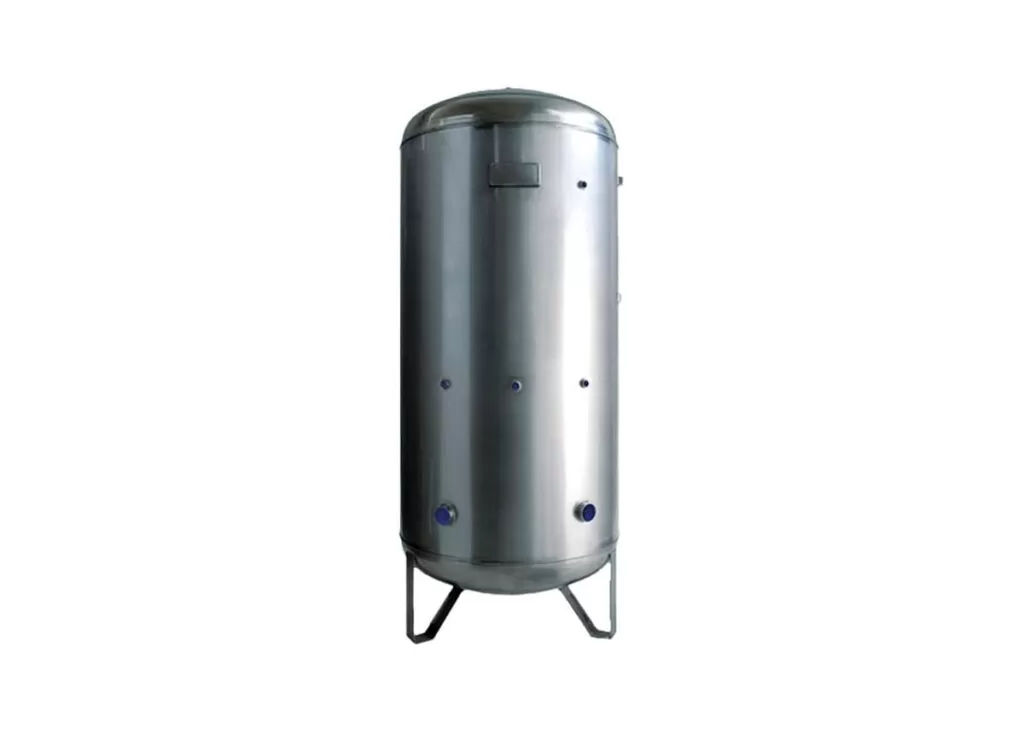
Often, the importance of an autoclave is realized only when a problem arises: a sudden drop in pressure or a machine breakdown that slows down entire production. Correcty managing a pressurized device, however, means knowing how to recognize small signs of malfunction before they turn into expensive repairs. In this guide, we will analyze the most frequent issues and technical solutions to transform maintenance from a simple cost into a competitive advantage.
Pressurization Anomalies
One of the most evident signs of an inefficient autoclave is pressure instability. If the system does not maintain the desired parameters or presents cycles of starting and stopping that are too frequent, there may be several causes:
- Leaks in the hydraulic system: Small cracks in fittings or worn gaskets that can only be resolved through visual inspection and replacement of damaged components.
- Pressure switch malfunction: If the pressure switch does not “disengage,” it is often due to an accumulation of sediment, rust, or limescale preventing correct pressure reading. Conversely, if it does not start, the cause might be a blocked motor, common after long periods of inactivity.
- Damage to the membrane or expansion vessel: A cracked membrane no longer allows for volume compensation; verification should be performed via a pressure gauge before replacing just the interchangeable part or the entire vessel.
- Defective safety valves: Valves must be regularly cleaned and calibrated to avoid dangerous pressure build-ups that could cause structural failure.
Temperature Management and Component Protection
Thermal stability is fundamental for preserving the molecular integrity of liquids and the mechanical lifespan of the system.
- Overheating and fluctuations: Often traceable to defective thermostats or poorly calibrated sensors providing incorrect readings.
- Motor risks: Excessively high pressure, if not monitored, accelerates the wear of pipes and subjects the motor to unnecessary mechanical stress, reducing the investment’s life cycle.
Noise and Vibrations: The Warning Signs
A noisy autoclave is not just an acoustic nuisance, but a symptom of a latent mechanical problem:
- Metallic knocking: Often caused by worn bearings that require quality replacements to restore smooth movement.
- Hissing or air bubbles (cavitation): These indicate an intake pressure that is too low; it is essential to verify that the water inlet is free of obstructions and that the level in the tank is sufficient.
- Excessive vibrations: Generally due to pump misalignment or loose fastenings, resolvable with professional bolt tightening.
The Di Camillo Solution: Certified PED Autoclave Tanks
Since 1959, Di Camillo Serbatoi has supported professionals with solutions combining constructive robustness and technological intelligence. Our PED autoclave tanks are designed for the most stable functionality possible , starting with the use of top-tier materials: Di Camillo autoclaves are made of carbon steel (S 235JR) with hot-dip galvanization, guaranteeing a zinc purity of no less than 98.25% (UNI EN 1179).
We offer a versatile range: from a capacity of 100 to 5,000 liters to perfectly adapt to every business layout, from cramped technical rooms to large water stations. Lastly, but importantly, regulatory compliance: every product is UNI EN ISO 9001:2015 certified, offering a legal and operational shield against any risk of plant downtime.
Addressing autoclave system issues with technical rigor means investing in the long-term stability of your business. Di Camillo Serbatoi goes beyond the mere supply of components; we provide qualified technical assistance nationwide, resolving critical system failures with speed and specialized expertise.
Do you require a technical consultation to optimize your water system’s pressure parameters? Contact us today for a tailored quote and discover the quality standards that define Di Camillo.
Recent posts
- Installing a flat-bottom “panettone” polyethylene tank: technical guidelines for foundations and fittings
- Imhoff tanks in concrete and polyethylene: technical analysis and selection criteria in specifications
- Above-ground or underground diesel tanks? The choice between steel and polyethylene
- Activated Sludge Systems: The Guide to Biological Efficiency and Regulatory Compliance
- Rainwater treatment systems: a guide to choosing between storage and continuous flow systems
- Noisy Water Booster Systems: Warning Signs for Your System’s Efficiency
Contact us for info and prices
SEND A MESSAGE-ANSWER IN 2 HOURS
