


NEWS
13 January 2026
The “Problem-Solution” Guide to Winterizing Tanks
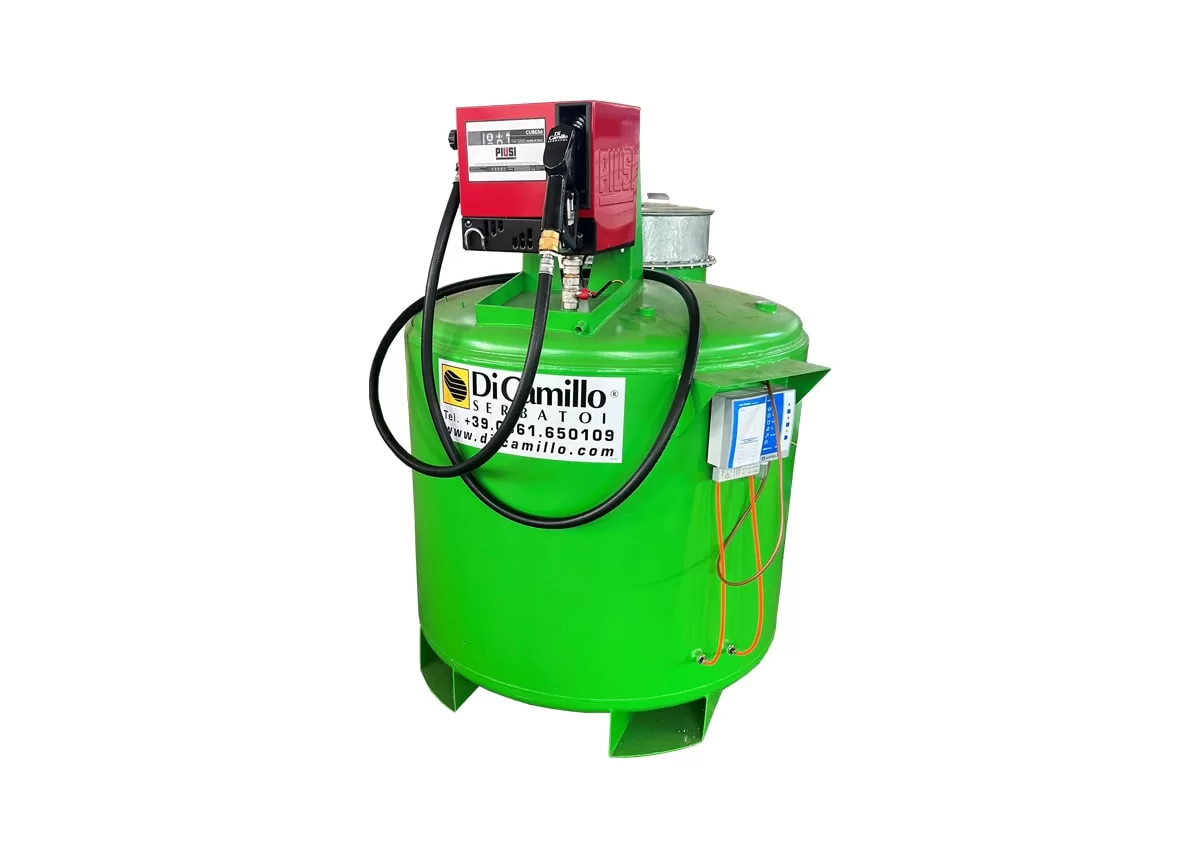
Structural damage, downtime, loss of competitiveness: the arrival of the cold season can be a critical moment for any company that relies on the storage of liquids, from drinking water to specialty fuels. Freezing water, thickening diesel fuel, or crystallization of AdBlue translate into unexpected operating costs that can prove high.
For over sixty years, Di Camillo Serbatoi has been the go-to company in Italy for storage needs, offering not only quality products but also support and technical solutions to transform preventative maintenance into a competitive advantage.
1.Water Tanks: Preserving Structure and Quality
Polyethylene Tanks
Problem: Direct exposure to freezing temperatures can compromise the integrity of the tank, causing the water to freeze. Frozen water expands, exerting enough pressure to damage the walls of the polyethylene container.
Di Camillo’s Solution:
- Structural insulation. This means placing the tank in a utility room or an area sheltered from cold winds. If outdoor installation is unavoidable, Di Camillo recommends using tanks made or treated with specific insulating materials.
- Active thermal control: Insulate the tank with insulation (thermal blankets or foam panels) to stabilize the internal temperature. Alternatively, special electric tank heaters can be used, which keep the water above freezing.
- Level management: Reduce the amount of water stored. The additional space (headroom) allows for any expansion due to freezing, preventing structural damage.
Stainless Steel Tanks
Problem: Although stainless steel is one of the most durable materials, the risk lies in gaskets and valves already damaged by freezing temperatures, which can suffer from infiltrations or leaks, compromising the hygiene of the drinking water.
Di Camillo’s Solution:
- Complete preventive inspection: Before winter, it is essential to check the tank’s cleanliness to ensure that valves and gaskets are perfectly intact and show no signs of wear or damage.
- Thermal stability: To prevent fluctuations that can affect water quality, additional insulation is recommended to maintain a stable internal temperature.
Galvanized tanks
Problem: While galvanized tanks are more resistant than polyethylene tanks, their welds and critical points are more exposed to corrosion in the presence of rain and snow.
Di Camillo’s solution:
- Anti-corrosion treatment: If the tank is located outdoors, applying an additional protective anti-corrosion coating increases its durability in harsh conditions.
- Structural inspection: It is crucial to check welds and critical points for preventative action.
Optimal installation: Install tanks in well-drained areas, away from constant snow accumulations or standing water.
2. Approved Diesel Tanks: Preventing Operational Downtime
Problem: Low temperatures cause paraffinosis, or the crystallization of paraffin in diesel fuel. This thickens the fuel, clogging filters, pumps, and lines, leading to unexpected breakdowns and crippling the company fleet.
Di Camillo’s Solution:
- Antifreeze Additives: In harsh climates, the use of antifreeze additives is the first line of defense. These specific products prevent crystallization, keeping the fuel fluid and ready for use even at the lowest temperatures, improving operating efficiency.
- Component Maintenance: Filters clog quickly in winter. Preventive cleaning, inspection, and, if necessary, replacement of filters and valves are essential to ensure proper flow.
- Tank Heaters: In the most extreme conditions, the use of programmable heaters is the most effective solution. These systems keep the diesel fuel at the optimal temperature, ensuring smooth and continuous delivery.
- Underground tanks: One structural solution is underground tanks. Installed below ground level and thermally insulated, they are less susceptible to the risks of extremely low temperatures. Our models are made of sturdy carbon steel and equipped with a leak detection system as standard for maximum safety and regulatory compliance.
3. AdBlue Tanks: Managing a Sensitive Additive
Problem: AdBlue, an essential additive for reducing emissions in diesel vehicles, is extremely sensitive to cold and tends to crystallize at around -11°C. Freezing not only damages the additive but can also block pump lines, pumps, and dispensers, causing system failures and malfunctions.
Di Camillo’s Solution:
- Storage in controlled environments: The fundamental rule is to store tanks in closed, heated, or otherwise stable environments. Maintaining the liquid solution in optimal conditions is the only way to avoid structural damage and damage to the dispensing systems.
- Dedicated heating systems: If moving the tanks is not possible, the technical solution is to use heating bands or integrated heating systems. These professional systems keep the solution liquid and ready for use, even at freezing temperatures.
- Peripheral protection. Protecting the tank isn’t enough: it’s also crucial to protect the pumps and dispensers from the cold to prevent clogging and malfunctions.
Preparing tanks for winter is an act of strategic foresight and long-term savings. Di Camillo Serbatoi doesn’t just manufacture and resell tanks: we offer qualified technical assistance throughout Italy to ensure the maintenance and safety of your system.
Don’t risk your business continuity: contact us today for a personalized consultation and discover our certified solutions to face the winter with complete safety.
Recent posts
- Car wash water treatment plants: treatment technologies, environmental regulations and water recycling
- Underground rainwater tanks: a technical guide to water harvesting and corporate water management
- Installing a flat-bottom “panettone” polyethylene tank: technical guidelines for foundations and fittings
- Imhoff tanks in concrete and polyethylene: technical analysis and selection criteria in specifications
- Above-ground or underground diesel tanks? The choice between steel and polyethylene
- Activated Sludge Systems: The Guide to Biological Efficiency and Regulatory Compliance
Contact us for info and prices
SEND A MESSAGE-ANSWER IN 2 HOURS
