


NEWS
2 May 2025
Practical guide to choosing a rainwater storage system for your farm
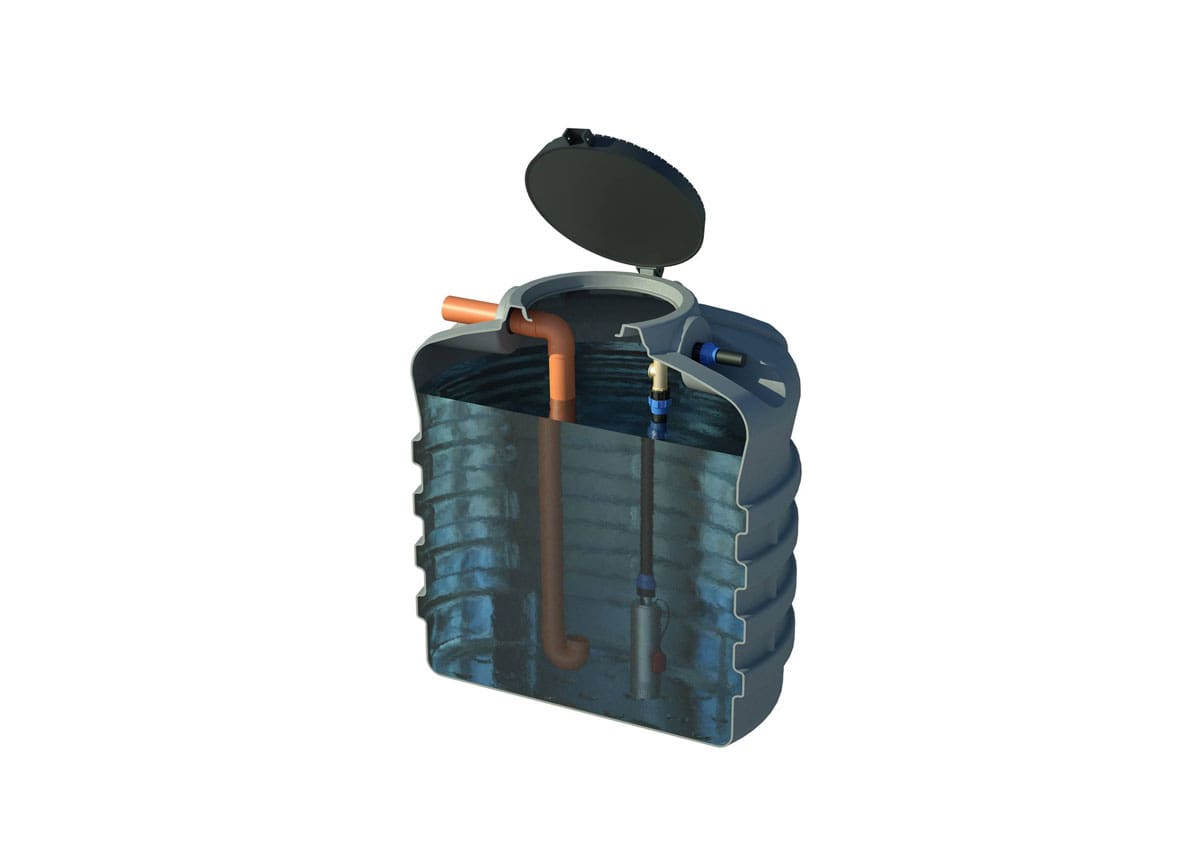
Rainwater storage is an increasingly popular solution in the agricultural sector, thanks to its numerous advantages in terms of water savings, cost reduction and environmental sustainability. The important thing, to maximize the benefits and optimize costs, is to choose and install the rainwater storage system that best suits your needs.
How to choose the right tank for your farm
Choosing a tank is a fundamental step in designing an efficient rainwater storage system. Several factors must be taken into account to identify the ideal solution for your farm:
- Evaluating water needs: the first step is to calculate the volume of water needed for irrigation, taking into account the crops, the climate conditions and the surface area to be irrigated. Depending on the uses and types of crops, or access to other water sources, 1,000-litre tanks (one cubic metre, for small family-run businesses and crops with low water needs, such as small vegetable gardens, gardens or greenhouses of aromatic plants, flowers or small orchards) or larger tanks, from 5,000 litres and up (a 5 cubic metre tank is a valid solution for medium and large businesses and larger cultivated surfaces of vegetables, orchards, vineyards or cereal fields, which are known to have a greater water requirement) may be sufficient.
- Considerations on the available space: a further evaluation concerns the space available for the installation of the tank, whether it is internal or external, underground or above ground.
- Verification of local regulations: a third factor in the choice concerns the presence of any regional or municipal regulations that regulate the accumulation of rainwater. Some regions may provide specific requirements, or incentives for the adoption of these systems.
In any case, if you are unsure about the most suitable size for your agricultural business, you can always seek advice from our expert technicians and engineers. At Di Camillo, we have been specialising in the manufacture of tanks for over 60 years, offering qualified assistance at every stage of the purchasing process — including the preliminary phases — to help you find the most appropriate tank or cistern to meet the specific needs of your farm.
Types of rainwater storage tanks
There are different types of rainwater storage tanks, which differ in materials, shapes, sizes and installation methods:
- Materials:
- Polyethylene water tanks: economical, lightweight and easy to treat with anti-algae agents.
- Stainless steel water tanks: resistant, hygienic and also suitable for drinking water (if certified).
- Galvanized water tanks: offers good resistance to corrosion and a good quality-price ratio.
- Shapes and sizes:
- Vertical: ideal for spaces with limited height.
- Horizontal: offer greater stability and are suitable for agricultural environments.
- Parallelepipeds: suitable for narrow internal spaces.
- Capacity: ranges from 1000 litres to 5000 litres or more, depending on the needs.
- Installation:
- Above ground: easy to install and maintain, but take up space.
- Underground: they do not take up surface space and are protected from the elements, but require more complex installation work.
To optimize the use of rainwater and make the system more efficient, some accessories can be associated with the tanks, such as:
- Submersible pumps with float: for automatic water distribution.
- Self-cleaning filters: for reduced maintenance of the filtration system.
- Overflow valves: to avoid waste and damage in the event of heavy rain.
- Monitoring systems: to control the water level in the tank and consumption.
To optimize the use of rainwater and make the system more efficient, some accessories can be associated with the tanks, such as:
- Submersible pumps with float: for automatic water distribution.
- Self-cleaning filters: for reduced maintenance of the filtration system.
- Overflow valves: to avoid waste and damage in the event of heavy rain.
- Monitoring systems: to control the water level in the tank and consumption.
These accessories are already included as standard in Di Camillo tanks and cisterns. Contact us for a quote or for more information, and ensure the highest quality products, and personalized and excellent technical and after-sales services.
Recent posts
- Car wash water treatment plants: treatment technologies, environmental regulations and water recycling
- Underground rainwater tanks: a technical guide to water harvesting and corporate water management
- Installing a flat-bottom “panettone” polyethylene tank: technical guidelines for foundations and fittings
- Imhoff tanks in concrete and polyethylene: technical analysis and selection criteria in specifications
- Above-ground or underground diesel tanks? The choice between steel and polyethylene
- Activated Sludge Systems: The Guide to Biological Efficiency and Regulatory Compliance
Contact us for info and prices
SEND A MESSAGE-ANSWER IN 2 HOURS
