


NEWS
9 June 2025
Diesel tanks: each sector has its own
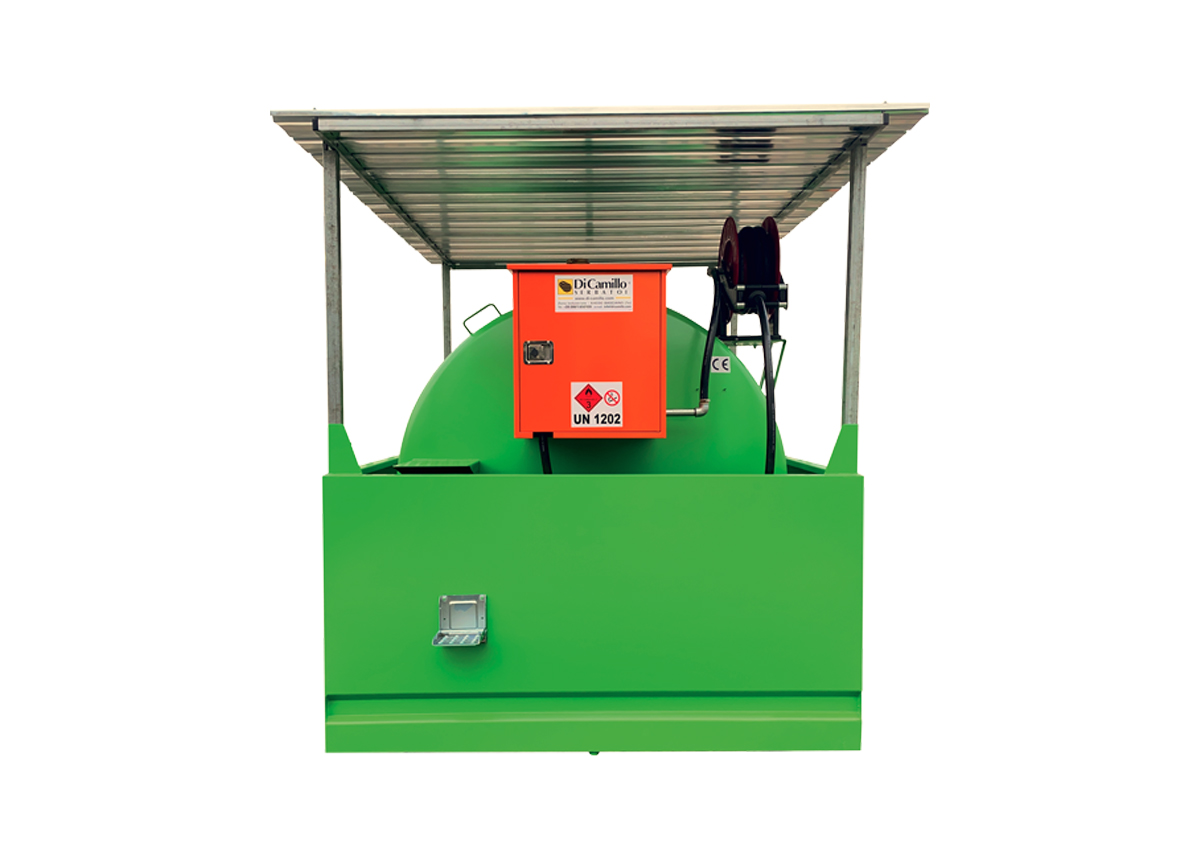
Diesel fuel is a strategic element for many production sectors, including agriculture, industry and logistics. Efficient fuel management not only ensures constant supply, but reduces waste, prevents theft and ensures compliance with environmental and safety regulations. Choosing the right tank, both for storage and transport, is therefore crucial for operational optimization and cost containment.
Di Camillo presents itself as a reliable partner for the supply of certified tanks and integrated solutions for fuel monitoring and management, meeting the needs of companies of any size, from large logistics companies to agricultural companies and industrial sites.
Types of Diesel Tanks
Diesel and fuel tanks are divided into two main categories: fixed and mobile, each with specific characteristics for different uses.
Fixed Tanks: Safety and High Capacity
Fixed tanks are the ideal solution for long-term storage of diesel, petrol, LPG, or other types of fuel, with both above-ground and underground options available. The underground models, made from S235JR carbon steel and compliant with Ministerial Decree of 29/11/2002, offer significant advantages in terms of safety and space-saving, with capacities of up to 50,000 litres.
There are also tanks specifically designed for generator sets, meeting the requirements of the Ministerial Decree of 10 May 2018 and equipped with containment basins to prevent accidental spills. These tanks are particularly suitable for industrial sites requiring fuel supply for heavy machinery and for agricultural businesses with high fuel consumption for tractors and other equipment.
Mobile tanks: flexibility for transport
For companies that need to transport diesel safely, there are certified mobile solutions. Tanks for transporting diesel and petrol are equipped with advanced safety systems, including anti-spill valves and integrated pumps.
In the agricultural sector, mobile tanks are essential for refuelling operational vehicles directly in the field, avoiding long stops for refuelling. In industry, these tanks allow machinery to be powered in temporary work areas. In the logistics sector, however, they guarantee the availability of fuel for transport vehicles, reducing downtime.
Models with tool box (Dieselbox & Tools) are particularly versatile and allow transport without the need for ADR vehicles. For those who use pickups, there are optimised and ADR-certified tanks with total exemption, ensuring full regulatory compliance without excessive administrative burdens.
Advanced dispensing accessories and monitoring tools
Effective fuel management also requires adequate tools for monitoring and dispensing. The most advanced dispensing systems include:
- Flow meters and pumps for precise dispensing and consumption control.
- Nozzles and safety valves to prevent spills during refueling.
- CUBE dispensers, with mechanical flow meters and self-supporting connections.
- Panther rotary pumps, suitable for both diesel and petrol.
- Electronic management systems for checking stock levels and scheduling purchases.
- Anti-water filters to preserve fuel quality and prevent damage to machinery.
Monitoring solutions, on the other hand, allow you to optimize fuel management, reduce waste and prevent theft.
- DICAM GEST WEB allows real-time control of supplies and stocks, with detailed reports and complete traceability of consumption. Each refueling is associated with vehicle, driver, mileage and quantity supplied, facilitating data analysis and purchasing planning. It is therefore a particularly useful accessory for the logistics sector, where optimised fuel management allows for reduced operating costs.
- DICAM LEVEL allows you to monitor diesel levels in the tank, avoiding operational interruptions and protecting the system from damage due to low fuel levels.
Effective monitoring translates into significant economic benefits, including optimised planning, identification of inefficiencies, reduction of waste and prevention of theft.
Approved tanks: regulations and essential requirements
Each tank must comply with strict regulations to ensure operational and environmental safety. The main regulations include:
- Ministerial Decree 29.11.2002 for the conformity of underground tanks.
- Ministerial Decree 10 May 2018 for tanks intended for generators.
- ADR 2017 for the road transport of fuels.
- Decree of 22 November 2017, which establishes the technical characteristics of diesel tanks.
In addition to regulatory compliance, tanks must be equipped with safety locks to prevent fuel leakage, safety systems for filling and emptying, and specific labeling for the correct identification of the contents.
Investing in a certified tank equipped with advanced management systems is therefore a strategic choice for any company that uses diesel on a large scale. Di Camillo provides tailor-made solutions for every need, ensuring safety, operational efficiency and economic savings.
For personalized advice regardless of your reference sector (agricultural, industrial, logistics), contact Di Camillo and discover the solution best suited to your company.
Recent posts
- Car wash water treatment plants: treatment technologies, environmental regulations and water recycling
- Underground rainwater tanks: a technical guide to water harvesting and corporate water management
- Installing a flat-bottom “panettone” polyethylene tank: technical guidelines for foundations and fittings
- Imhoff tanks in concrete and polyethylene: technical analysis and selection criteria in specifications
- Above-ground or underground diesel tanks? The choice between steel and polyethylene
- Activated Sludge Systems: The Guide to Biological Efficiency and Regulatory Compliance
Contact us for info and prices
SEND A MESSAGE-ANSWER IN 2 HOURS
