


NEWS
12 October 2026
Car wash water treatment plants: treatment technologies, environmental regulations and water recycling
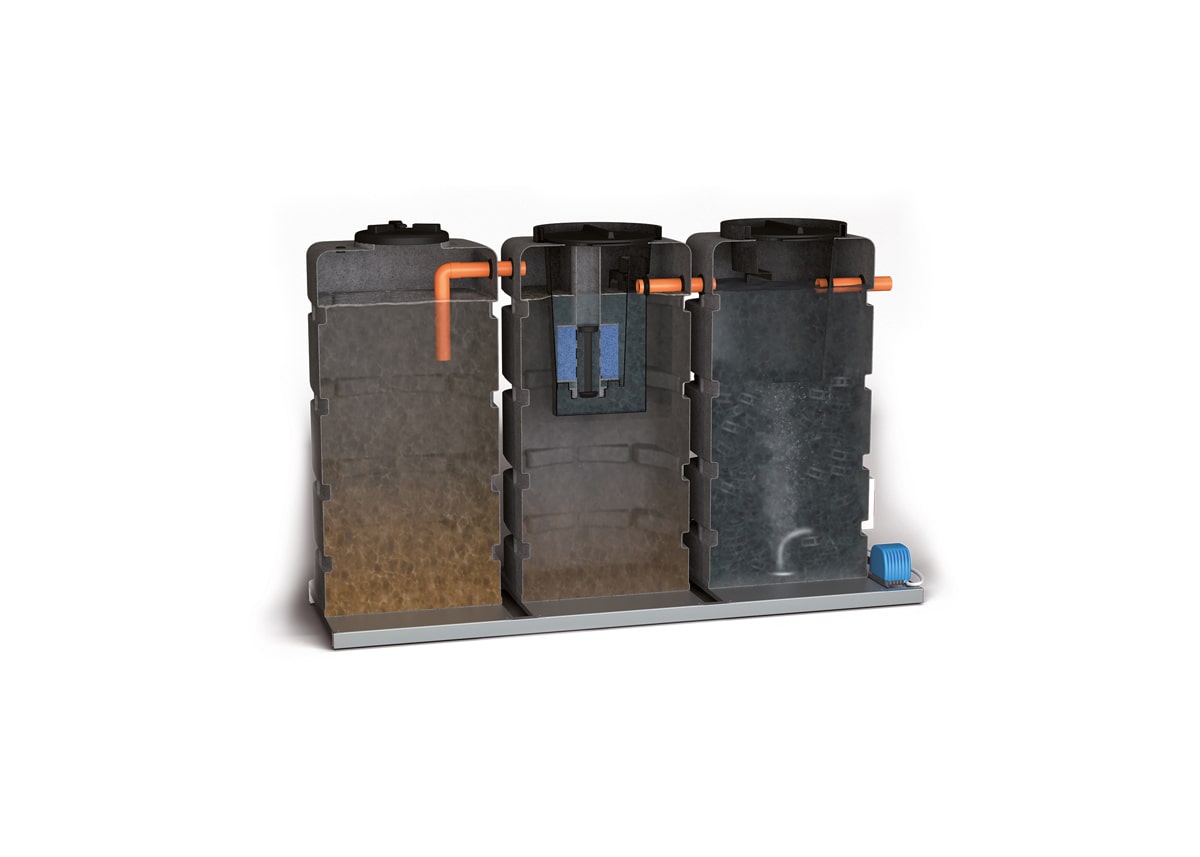
The wastewater from vehicle washing bays contains a complex mixture of organic and inorganic pollutants. Washing bodywork, chassis and engines removes hydrophobic hydrocarbons, mineral oils, sand, mud, brake residues, anionic and non–ionic surfactants from detergents, as well as traces of heavy metals such as copper, zinc and nickel.
Managing this wastewater requires structured treatment plants able to reduce the pollutant load before discharge into the public sewer, into surface water or onto the ground, in full compliance with the regulations in force.
The regulatory framework: Legislative Decree 152/2006 and discharge requirements
The primary legislation for discharges from vehicle washing facilities is Italian Legislative Decree 152/2006 (the Consolidated Environmental Act). Under the decree, wash water is not treated as domestic wastewater but falls into the category of industrial wastewater.
Discharges must strictly comply with the concentration limits set out in Table 3 of Annex 5 to Part Three of Legislative Decree 152/2006 for discharge into surface water or the public sewer, or with the stricter limits of Table 4 for discharge onto the ground.
Critical parameters and concentration limits (AUA)
| Critical parameter | Public sewer limit | Surface water limit | Notes and technical meaning |
|---|---|---|---|
| Total hydrocarbons (C10-C40) | ≤ 10 mg/l | ≤ 5 mg/l | Presence of mineral oils and fuels |
| Total suspended solids (TSS) | ≤ 200 mg/l | ≤ 80 mg/l | Sand, mud and abrasion residues |
| Total surfactants (MBAS/BIAS) | ≤ 4 mg/l | ≤ 2 mg/l | Chemical residues from washing detergents |
| COD (chemical oxygen demand) | ≤ 500 mg/l | ≤ 160 mg/l | Indicator of the overall organic load |
| pH | 5.5 – 9.5 | 5.5 – 9.5 | To avoid acidification or alkalinisation |
Exceeding these thresholds, whether unintentionally or systematically, results in administrative and criminal penalties, as well as suspension of the operating permit.
Stages of the physico–chemical treatment process
A standard car wash treatment plant with physico–chemical or mechanical operation is arranged in several treatment sections in series.
-
Grit removal and primary sedimentation
The raw wastewater enters a grit chamber sized to promote gravity settling of the coarser suspended solids (sand, soil, grit). Calculating the hydraulic retention time is essential to ensure that heavy particles settle on the bottom, preventing the transfer pumps from clogging.
-
Oil separation with coalescence filter
The de-gritted water passes into the oil separation section for the removal of non–emulsified hydrocarbons and free oils. To optimise the process, separators fitted with coalescence filters in high specific surface plastic material, such as polyurethane or polypropylene, are used.
The filters work by aggregating oil micro–droplets into larger bubbles, whose buoyancy allows them to rise rapidly to the surface. The surface hydrocarbon layer is then removed by skimmer or overflow baffles. Oil separators must be designed and tested to UNI EN 858-1 and UNI EN 858-2, which define the class of the plant (Class I, with residual oil discharge below 5 mg/l).
-
Neutralisation and chemical flocculation
Where strongly alkaline or acid detergents are used in the wash, or where stable oil–in–water emulsions are present, chemical dosing becomes necessary. Through dosing pumps controlled by measuring probes, reagents are added such as:
- coagulants (e.g. aluminium chloride or ferric sulphate), to destabilise the electrical charges of the suspended particles;
- flocculating polyelectrolytes, to agglomerate the particles into “flocs” that settle or filter easily.
-
Final filtration on quartz and activated carbon
On leaving the primary treatments, the flow passes through pressure filters containing granular filter beds. Filtration on quartz sand retains the residual suspended solids, while subsequent filtration on vegetable activated carbon adsorbs residual surfactants, organic micro–pollutants, solvents and odorous substances, polishing the effluent before final discharge.
Over the years this process has evolved, pushing the sector towards new mechanisms: this is the origin of biological treatment plants.
Attached–growth biological plants and advanced recycling systems
Technological developments and rising water supply costs have driven the sector towards biological treatment plants designed for closed–loop reuse of the wash water.
In biological treatment plants – often based on moving bed biofilm reactors (MBBR) or on attached–growth systems on plastic carriers – organic matter and surfactants are metabolised by specialised bacterial populations.
Benefits of water recycling in car washes
- Reduced sludge production compared with traditional physico–chemical treatment;
- reduced use of chemical reagents;
- water efficiency: recovery of up to 80-90% of the water used in the wash cycles (particularly for the pre-wash and high-pressure wash stages), reserving mains water solely for the final rinse, free of dissolved salts.
Adding a final disinfection module (dosing chlorine dioxide or hypochlorite, or UV stations) controls the bacterial load in the recycled water storage tanks, preventing anoxic degradation and the formation of bad odours on the forecourt.
Sizing and maintenance of storage tanks and basins
Treatment performance depends directly on correctly calculating the volumes of the storage and first-flush tanks, in accordance with the regional water protection regulations.
Undersized sedimentation or oil separation tanks generate excessive flow velocities, which carry accumulated sludge and hydrocarbons through to the discharge.
Structural components must therefore guarantee perfect water–tightness and high chemical inertness. The use of monoblock tanks and elements in high–density polyethylene (HDPE), or in reinforced concrete with internal epoxy coatings, prevents corrosion caused by aggressive detergents and hydrocarbons.
Plant maintenance checklist
- scheduled removal of the sludge accumulated in the grit chamber by authorised companies (specific EWC codes);
- periodic removal and cleaning of the oil separator coalescence filters with a pressure washer;
- periodic replacement or regeneration of the activated carbon bed when saturation point is reached;
- calibration and constant checking of the measuring instruments (pH meters, level probes and automatic discharge shut-off systems).
Checking the dimensional specifications and the manufacturers‘ operating and maintenance manuals remains the fundamental requirement for demonstrating structural compliance during inspections by the control authorities (ARPA and Provincial Police).
The value of the investment: the Di Camillo Srl approach
Choosing Di Camillo Srl means relying on a technical partner able to supply certified plant and components for the storage and primary treatment of industrial wastewater. Our high-density polyethylene (HDPE) tanks, monoblock basins and coalescence oil separators are designed to guarantee maximum water–tightness, chemical stability and full compliance with the strict requirements of Legislative Decree 152/2006 and the UNI EN 858 standard.
Di Camillo Srl technicians and engineers are available to support designers, installers and plant operators in defining the most suitable sizing solution, providing tailored advice and detailed quotations for upgrading or building new washing bays.
Contact us for a quotation tailored to your company’s needs!
Recent posts
- Car wash water treatment plants: treatment technologies, environmental regulations and water recycling
- Underground rainwater tanks: a technical guide to water harvesting and corporate water management
- Installing a flat-bottom “panettone” polyethylene tank: technical guidelines for foundations and fittings
- Imhoff tanks in concrete and polyethylene: technical analysis and selection criteria in specifications
- Above-ground or underground diesel tanks? The choice between steel and polyethylene
- Activated Sludge Systems: The Guide to Biological Efficiency and Regulatory Compliance
Contact us for info and prices
SEND A MESSAGE-ANSWER IN 2 HOURS
